What we do
Four kinds of work. One idea behind all of them: you should own the technology you depend on.
Self-hosted software
Most of what people pay Google, Apple, Amazon, and Microsoft for every month can run on a small computer in your house. It looks and works the same on your phone. The difference is where the data lives and who holds the keys.
The swap list
| Instead of | You run | What it does |
|---|---|---|
| Google Photos, iCloud Photos | Immich | Photo and video backup straight from your phone, with search, faces, and a map. |
| Google Drive, Dropbox, OneDrive | Nextcloud | Files, calendar, contacts, and documents, shared with whoever you choose. |
| LastPass, 1Password, browser password sync | Vaultwarden | A password manager that works with the Bitwarden apps on every phone and browser. |
| Plex Pass | Jellyfin | Your own movies, shows, and music on any TV or phone. No ads, no monthly fee. |
| Google Home, Alexa, SmartThings | Home Assistant | Lights, thermostats, locks, and cameras from one app, and it keeps working when the internet is out. |
| The filing cabinet and the shoebox | Paperless-ngx | Scan mail and paperwork once, then find any of it by keyword forever. |
| A blocker on each device, and none on the ones that cannot run one | AdGuard Home | Blocks ads and trackers for every device on your network, including the TV. |
| YNAB and the like | Actual Budget | Envelope budgeting with bank import. Your transactions never leave the house. |
| Port forwarding, cloud relays | Tailscale or WireGuard | A private tunnel so your phone reaches all of the above from anywhere, as if you were home. |
Also Syncthing, Mealie, Stirling PDF, and whatever else fits the job. If there is a subscription you would like to stop paying for, ask. There is usually a way.
What comes with it
- Hardware
- Usually a refurbished small business desktop or a mini PC and a couple of drives. It draws about as much power as a light bulb. Bigger builds for businesses.
- Backups
- A second copy on a separate drive, and if you want it, an encrypted copy off site. Set up on day one and tested before we leave.
- Remote access
- A private tunnel (Tailscale or WireGuard) so your phone reaches home from anywhere. Nothing gets opened to the public internet.
- Handoff
- A walkthrough, written notes, and every password in a place you control.
Security you own
Doorbell cameras, cloud locks, and alarm subscriptions all work the same way: your footage and your access logs go to a company's servers, and you rent them back by the month. We install systems that record and run in your building. You get the same phone app. The recordings stay home.
What we install
- Cameras
- Wired or wireless, recording to a recorder on site with as many days of history as you want. Viewable from anywhere over a private tunnel.
- Door locks and garage access
- Smart locks and garage openers that work locally, with codes you control and logs you keep.
- Fire and carbon monoxide alarms
- Alarms that also reach your phone, and can turn on the lights and unlock the doors when they go off.
- Door and window sensors
- Know what is open. Get alerts when you are away. Arm and disarm from your phone.
- Home and business automation
- Lights, thermostats, schedules, and rules that tie everything together. Keeps working when the internet does not.
- Access control
- Badges, fobs, and keypads for businesses. Add or revoke access in seconds. Entry logs stay on site.
- Point of sale
- Register, inventory, and receipts on hardware you own, with your sales history on your own drive.
Why the warrant matters: the third-party doctrine, in plain English.
Websites and apps
A small business needs a site that loads fast, says what you do, and shows your phone number. That is most of it. We build sites by hand, no page builder, and host them wherever you want, including on your own equipment.
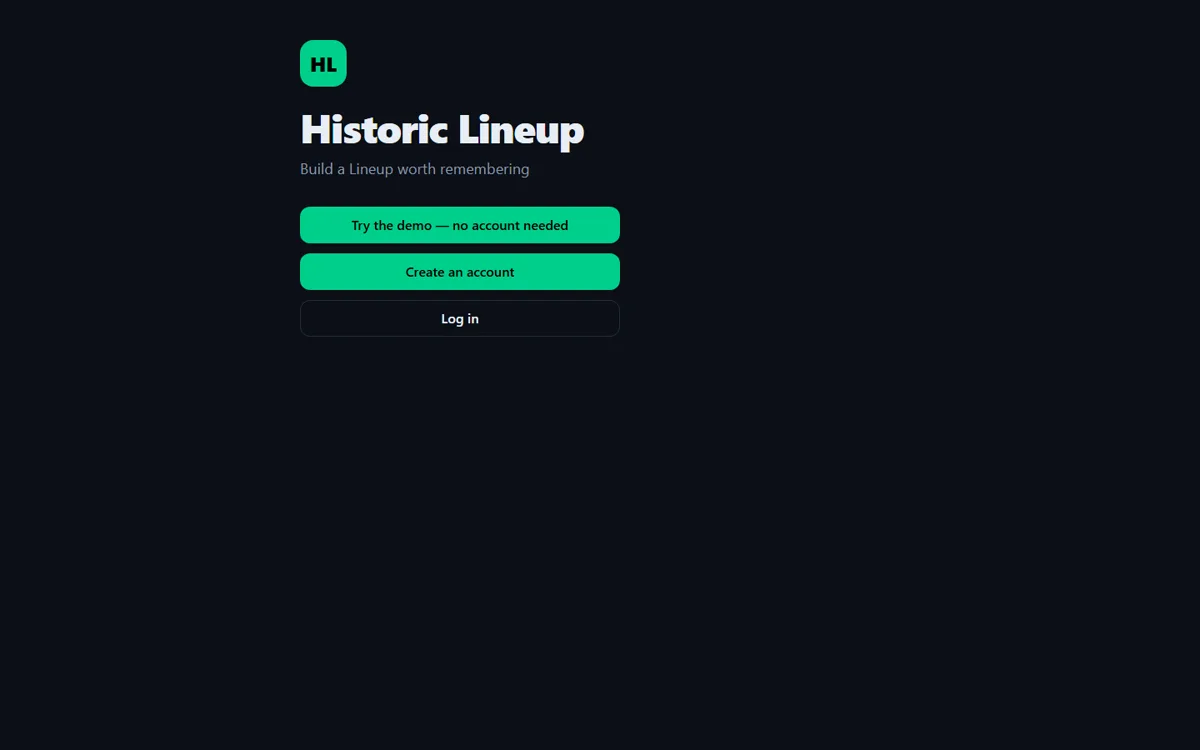
Historic Lineup
A web app for building and sharing lineups, with a try-it demo that needs no account.

LA Stokes Photography
Portfolio and contact site for a wedding, sports, and freelance photographer.
We also build small web apps: booking, inventory, internal tools, the thing you have been doing in a spreadsheet. A few more sites are in the works and will show up on the Examples page when they launch.
Build, repair, repurpose
Most broken electronics are not broken. They are dirty, full of junk software, or have one bad part. We look before we quote, and we will tell you when replacing makes more sense.
- PCs and laptops
- Screens, keyboards, drives, memory, batteries, charge ports, thermal paste, malware cleanup, upgrades.
- Phones
- Screens, batteries, charge ports.
- TVs and monitors
- Backlights, power boards, ports. Worth a look before it goes to the curb.
- Printers
- Rollers, print heads, network setup, and the honest answer when a new one costs less than the fix.
- Custom builds
- Gaming PCs, workstations, and quiet home servers, built to a budget.
- Repurposing
- Your old desktop can be a home server, a kid's computer, or a media box. We wipe it properly and set it up.
- Data recovery
- Dead drive, dead phone, deleted folder. We will be straight about the odds before we start.
How it works
Four steps. You can stop after any of them.
- Step 1
Talk
Tell us what you are paying for and what bugs you. Fifteen minutes on the phone or at your kitchen table.
- Step 2
Plan
You get a written plan: what we would install, what it replaces, and what it costs. No surprises.
- Step 3
Install
We bring the hardware, set it up, and move your data over. Watch, ask questions, or go about your day.
- Step 4
Support
We show you how it works and leave written notes. When something breaks, call. We come back.
Ready to bring it home?
Call, email, or send a note. The person who answers is the one who does the work.